STOCK MARKET
1. How It Actually Works
The IPO (Initial Public Offering): This is when a private company decides it needs money to grow (build new factories, hire people). It sells "shares" to the public for the first time.
The Exchange: Once those shares are sold, they are listed on an Exchange (like the NYSE in the USA or the NSE in India). This is the "platform" where trading happens.
The Trade: If you believe a company will do well, you buy its shares. If you think it will do poorly (or you just want your money back), you sell them.
2. Why Prices Change
Prices in the stock market are driven by Demand and Supply:
Price Goes Up: If more people want to buy a stock than sell it (high demand), the price rises. This usually happens if a company reports big profits or a new invention.
Price Goes Down: If more people want to sell than buy (high supply), the price drops. This might happen during a recession or if a company is involved in a scandal.
3. Key Terms to Know
| Term | Simple Meaning |
| Share | A unit of ownership in a company. |
| Dividend | A portion of the company's profit paid out to you in cash. |
| Bull Market | When prices are rising and everyone is optimistic. |
| Bear Market | When prices are falling and everyone is worried. |
| Market Cap | The total value of a company (Price per share $\times$ Total shares). |
4. Why the Stock Market is Important
For Companies: It’s a way to get "free" money (capital) to grow without having to pay back a bank loan with interest.
For You: It’s one of the best ways to grow your wealth. Over long periods (10+ years), the stock market has historically returned about 10% per year, which is much higher than a savings account.
The Big Risk: Unlike a bank account, your money is not "safe." If a company goes bankrupt, your shares could become worth $0. This is why most people use Mutual Funds to spread their risk across many stocks at once.
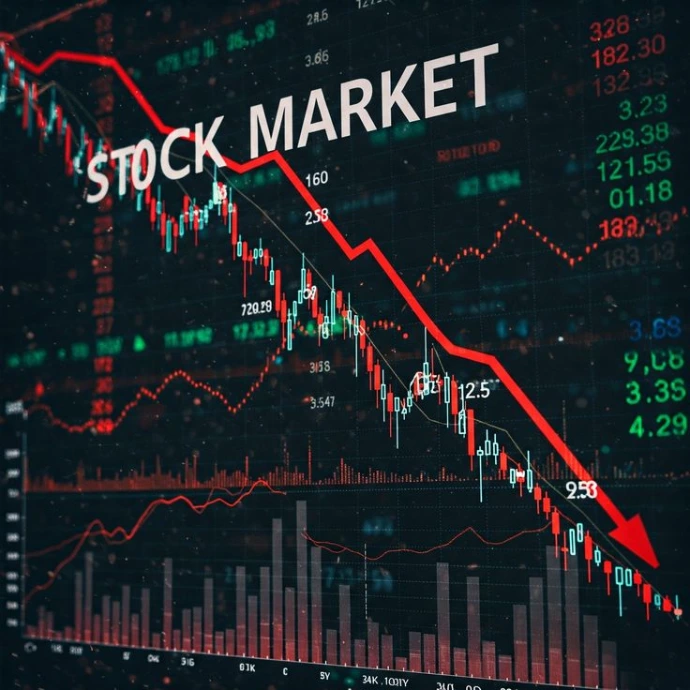
HOW STOCK MARKET IS GOOD
1. It’s a "Wealth Multiplier" (Personal Good)
The stock market is one of the few places where an average person can grow their money faster than inflation.
Historical Growth: Historically, the stock market (like the S&P 500 or Nifty 50) has returned around 10% per year over the long term. This is far higher than a standard savings account.
Compound Interest: By reinvesting your gains, your money starts to earn its own money. Over 20 or 30 years, even small monthly investments can turn into a massive fortune.
Passive Income: Many companies pay dividends (a share of their profits) directly to you in cash just for owning the stock. It’s like getting a "bonus" for doing nothing.
2. It Gives You "Ownership" in Giants
The stock market is the ultimate "democratizer."
Partner with the Best: You don't need the billions of dollars required to start a company like Apple, Google, or Tata. You can buy a single share (or even a fraction of a share) and officially become a part-owner. When they succeed, you succeed.
Voting Rights: As a shareholder, you often get to vote on major company decisions, giving you a voice in how the world's biggest businesses are run.
3. It Fuels Innovation & Jobs (Economic Good)
When you buy a stock during an IPO (the first time a company sells shares), your money goes directly to that company.
Building the Future: Companies use that money to build new factories, research life-saving medicines, or develop new AI technology.
Creating Jobs: Without the stock market, many of the companies that employ millions of people today wouldn't have had the cash to grow from a small startup into a global leader.
4. High Liquidity (Flexibility)
Unlike real estate or a business partnership, the stock market is liquid.
Easy In, Easy Out: If you need cash tomorrow for an emergency, you can sell your stocks with one click on your phone and have the money in your bank account within 1-2 days. You can't "sell a bedroom" of your house that quickly!
Summary: The "Good" Side of Stocks
| Benefit | Why it Matters |
| Beating Inflation | Your money keeps its purchasing power as prices rise. |
| Low Barrier to Entry | In 2025, you can start with as little as $1 (₹100) using fractional shares. |
| Transparency | Public companies must show you their math; they are legally required to be honest about their profits. |
| Accessibility | You can manage your entire portfolio from a smartphone app anywhere in the world. |
The Big Picture: The stock market is "good" because it allows you to benefit from the hard work of the smartest people in the world. Instead of you working for money, you let the CEOs and employees of the world's best companies work to increase your net worth.
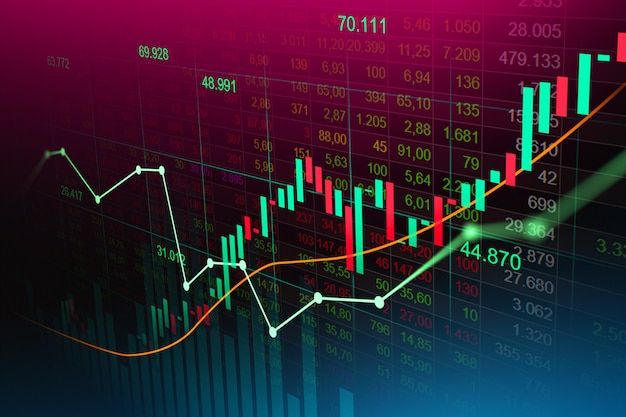
HOW STOCK MARKET IS BAD
1. High Volatility (The Emotional Rollercoaster)
Unlike a savings account, the value of your stocks can drop 10%, 20%, or even 50% in a single week.
Panic Selling: Many people buy stocks when they are expensive (due to "FOMO") and sell them when they are cheap out of fear. This locks in their losses.
No Guarantees: There is no "insurance" for your investments. If a company goes bankrupt, your shares become worthless, and you lose 100% of your money.
2. Market Crashes and Systemic Risk
Sometimes, the entire market collapses due to factors outside of any single company’s control.
Black Swan Events: Unforeseen events—like a global pandemic, a war, or a housing bubble—can wipe out years of gains in a matter of days.
Interconnectivity: Because the global economy is linked, a banking crisis in one country can cause a "bear market" across the entire world, leaving investors nowhere to hide.
3. The "Gambling" Trap
For many, the stock market stops being a place for investment and starts being a casino.
Day Trading: Trying to predict short-term price movements is extremely difficult.2 Studies show that over 90% of individual day traders lose money over the long run.
Leverage and Options: Advanced financial "tools" allow people to trade with borrowed money.3 This can multiply your gains, but it can also make you lose more money than you actually own, leading to total financial ruin.
4. Inequality and Information Gaps
The "game" isn't always fair for the average person.
Insider Advantages: Large hedge funds and institutional investors have access to expensive data, high-speed trading computers, and expert analysts that the average person sitting at home does not.4
Market Manipulation: Occasionally, "pump and dump" schemes or "fake news" can artificially move a stock price, tricking small investors into buying a bad stock while the "big players" sell and walk away with the profit.
Comparison: When the Stock Market is "Bad"
| Scenario | Why it’s "Bad" |
| Short-Term Focus | If you need your money back in 1–2 years, a sudden crash could ruin your plans. |
| No Diversification | Putting all your money into one "hot" stock is essentially gambling. |
| High Fees | Trading too often leads to taxes and brokerage fees that eat your profits. |
| Emotional Investing5 | Letting fear or greed drive your decisions usually leads to buying high and selling low.6 |
How to Protect Yourself
The stock market is only "bad" if you treat it like a get-rich-quick scheme. You can neutralize most of these risks by:
Investing for 10+ years (to ride out the volatility).
Using Index Funds (to avoid the risk of a single company failing).
Never investing money you need for rent or food.
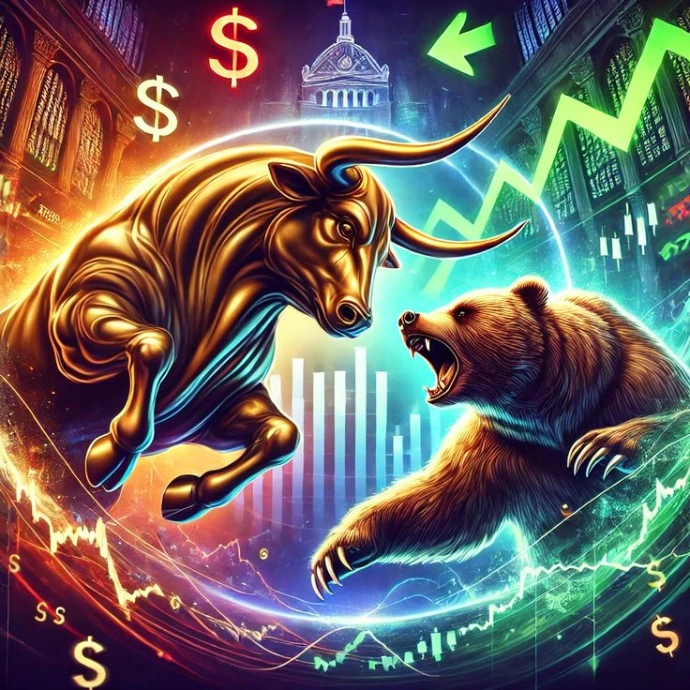
IMPORTANT TOPIC'S OF STOCK MARKET
1. Fundamental Analysis (The "What")
This is the study of a company’s financial health to determine its actual value.
Earnings Per Share (EPS): How much profit a company makes for each share of stock.
P/E Ratio (Price-to-Earnings): This tells you if a stock is "expensive" or "cheap" relative to its profits.
Dividend Yield: The percentage of the stock price that the company pays back to you in cash every year.
Debt-to-Equity: This shows how much the company owes versus how much it owns. Too much debt is a red flag.
2. Technical Analysis (The "When")
This is the study of price patterns and volume to predict future movements.
Support and Resistance: Identifying price levels where a stock usually stops falling (support) or stops rising (resistance).
Moving Averages: A line that "smooths out" price data to help you see the overall trend (up or down).
Candlestick Charts: A specific way of looking at price bars that shows the high, low, open, and close for a specific time period.
3. Market Indices (The "Thermometer")
An index measures the performance of a group of stocks to tell you how the overall economy is doing.
S&P 500 (USA): The 500 largest companies in the US.
Nifty 50 (India): The 50 largest companies in India.
Nasdaq: Heavily focused on technology companies.
Dow Jones: 30 massive, "Blue Chip" companies.
4. Market Capitalization (The "Size")
Companies are categorized by their total dollar value. This helps you understand the risk.
Large-Cap: ($10B+) Stable, slower-growing "giants" (e.g., Apple, Walmart).
Mid-Cap: ($2B–$10B) Companies that are established but still growing fast.
Small-Cap: (Under $2B) High risk, but high potential for massive growth.
5. Portfolio Management & Strategy
Diversification: Owning different types of stocks (Tech, Energy, Healthcare) so one bad industry doesn't ruin you.
Asset Allocation: Deciding what percentage of your money goes into stocks vs. bonds vs. cash.
Risk Tolerance: Understanding how much money you can afford to lose without panicking and selling at the bottom.
6. Orders and Mechanics
Market Order: Buy or sell immediately at the current price.
Limit Order: Set a specific price you are willing to pay. The trade only happens if the stock hits that price.
Stop-Loss: An automatic "emergency exit" that sells your stock if it drops to a certain price to prevent further losses.
Summary Checklist for a New Investor
| Topic | Why it Matters |
| Financial Literacy | So you can read a balance sheet. |
| Psychology | To avoid "Panic Selling" or "FOMO" (Fear Of Missing Out). |
| Taxes | Knowing how much of your profit the government will take. |
| Fees | Understanding how brokerage charges eat your returns. |